The Process

How Enzymes works?

Enzyme exfoliation has been trusted in professional skincare for decades, now evolving with bio-mimetic precision for modern skin.

01

Targeting Keratin

Enzymes function as proteases, seeking out and breaking down the keratin proteins that bond dead skin cells together on the skin's surface.

02

Dissolving the Bond

As the keratin bonds weaken and dissolve, dead cells that contribute to roughness, congestion, and dullness are released and cleared from the skin.

03

Fresh Skin Emerges

With the surface cleared, the skin's natural renewal cycle accelerates, improving clarity, tone, and radiance as healthier cells emerge unobstructed.

Proof of Efficacy

Before & After

Real, unedited, no-makeup results. While individual outcomes vary, they represent common responses in our clinic.
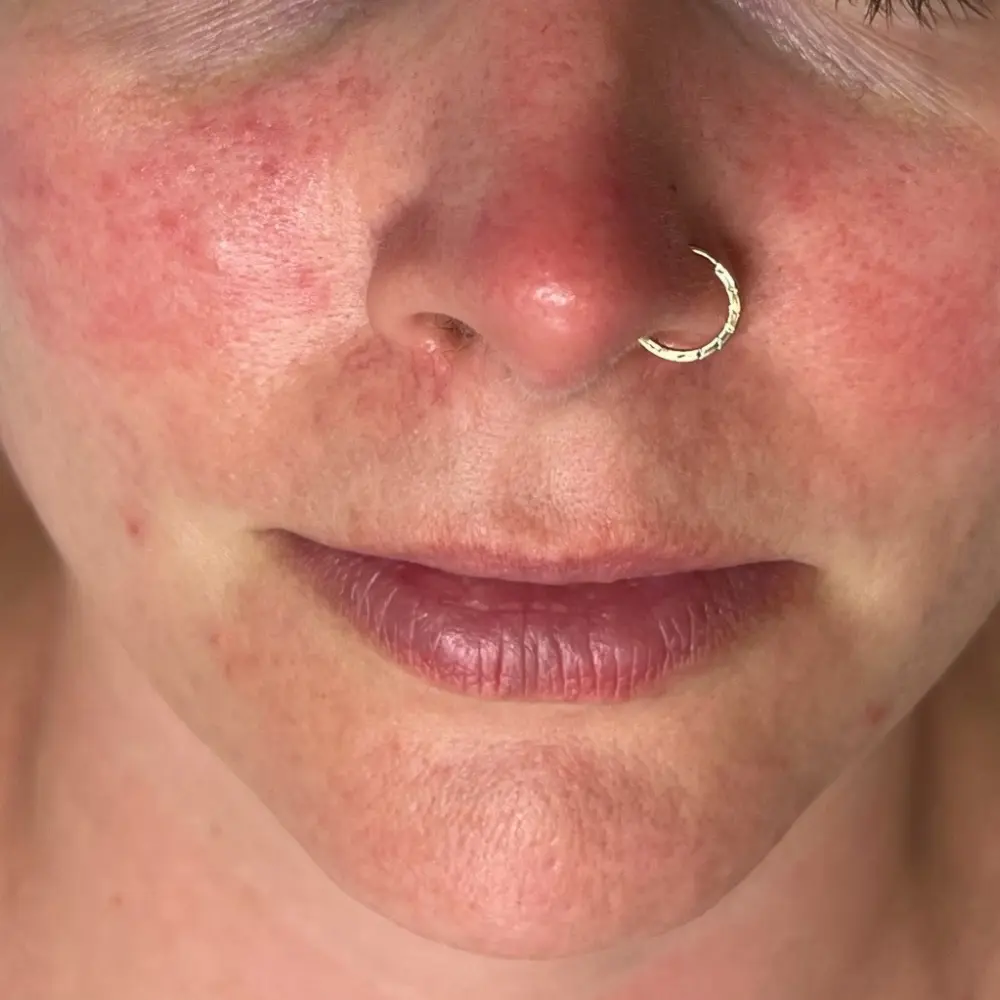
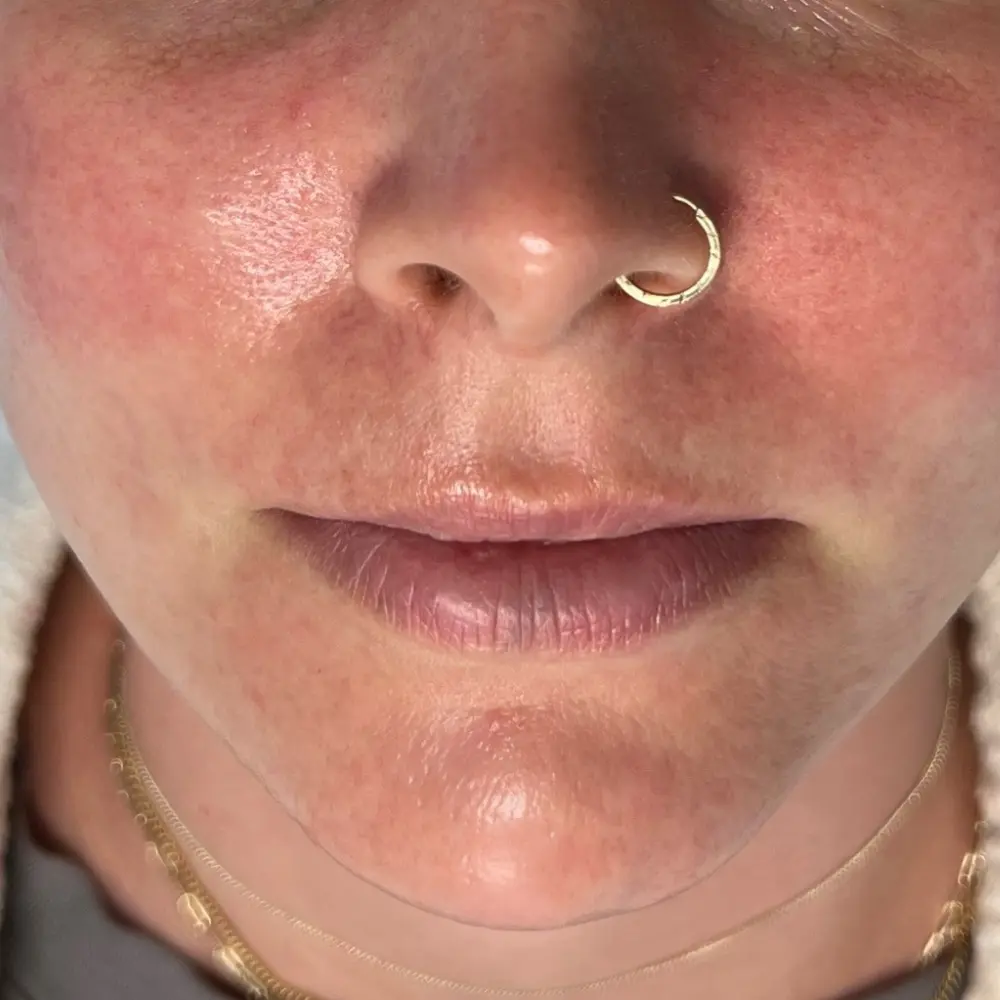
Before enzyme facial at The Vancouver Aesthetician — visible rosacea and facial redness with skin sensitivity and inflammation

BEFORE

After a series of enzyme facials at The Vancouver Aesthetician — rosacea and redness visibly soothed, calmed and skin tone noticeably more even

after

Rosacea & Redness

Progress at 4 sessions · 16 weeks in
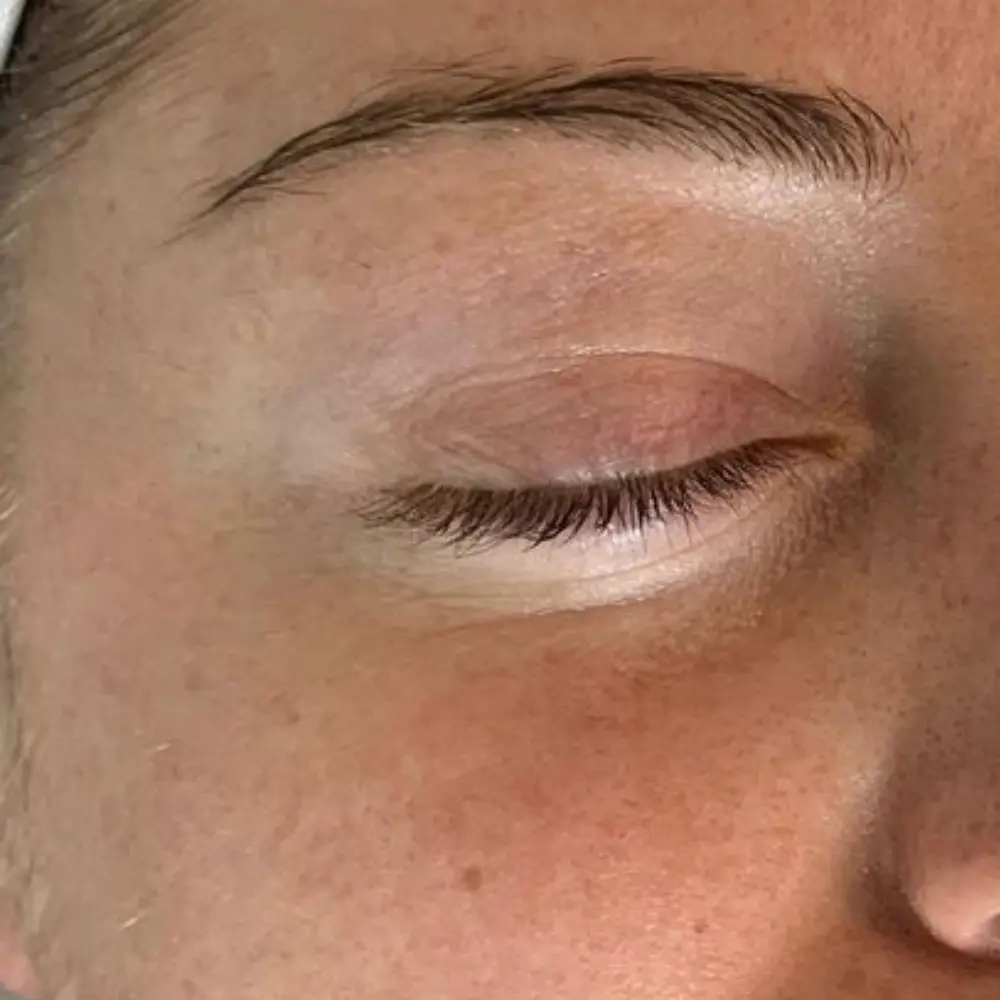
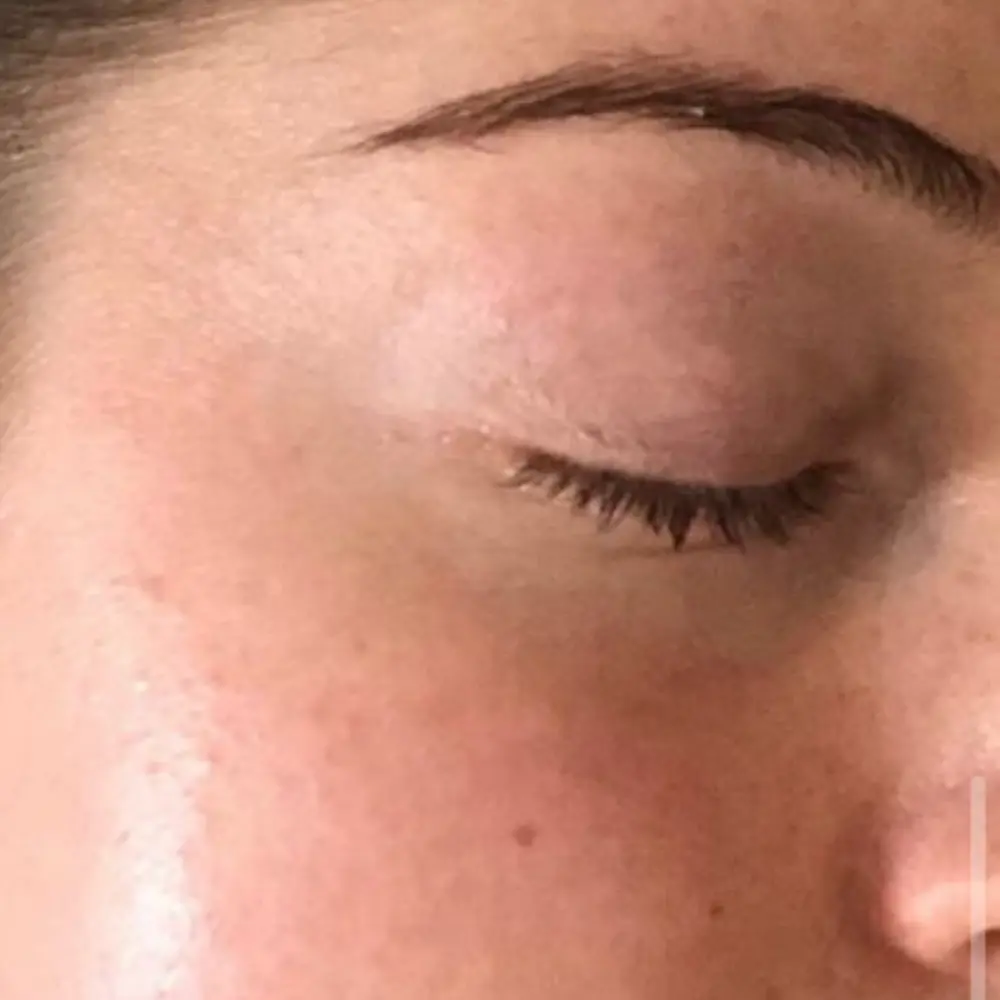
Before barrier repair enzyme facial at The Vancouver Aesthetician — visible dehydration, compromised skin barrier and fine lines on skin

BEFORE

After barrier repair enzyme facial at The Vancouver Aesthetician — skin barrier restored, fine lines visibly softened and complexion deeply hydrated and healthy

after

Damaged Barrier & Fine Lines

Progress at 2 sessions · 7 weeks in
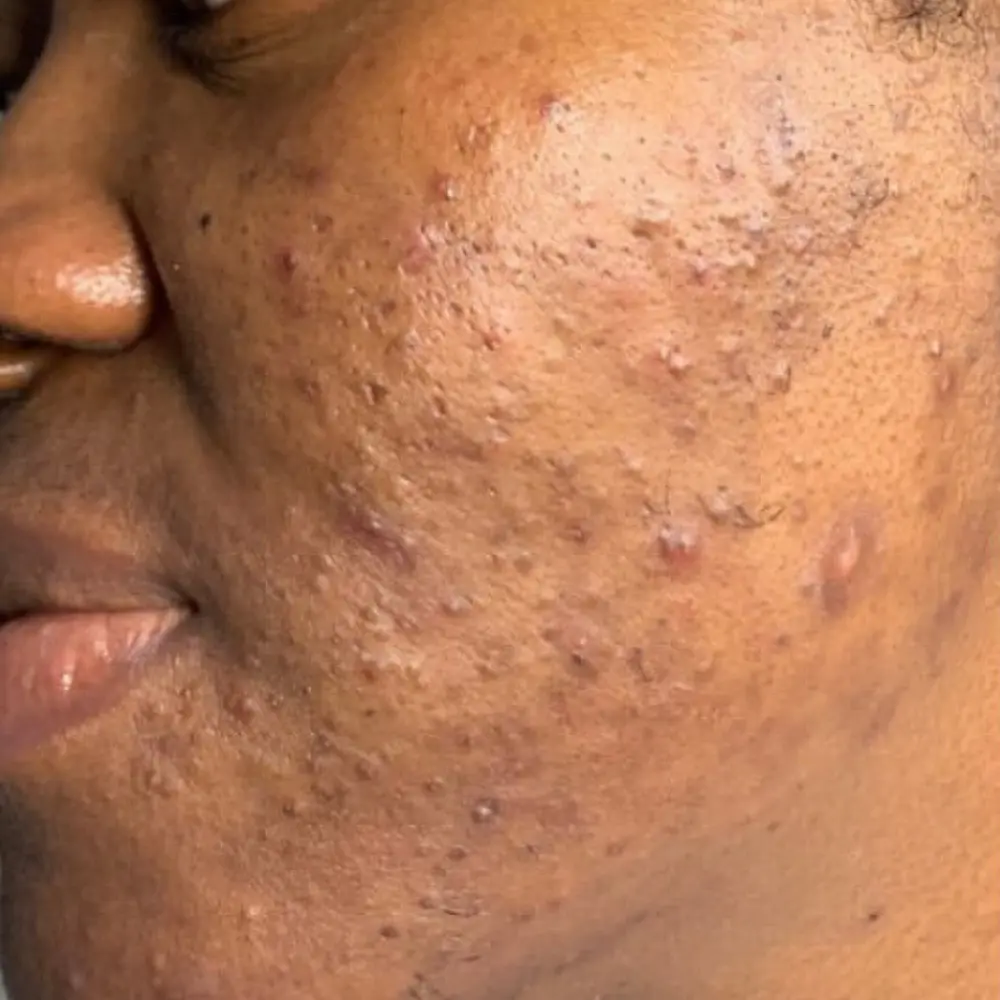
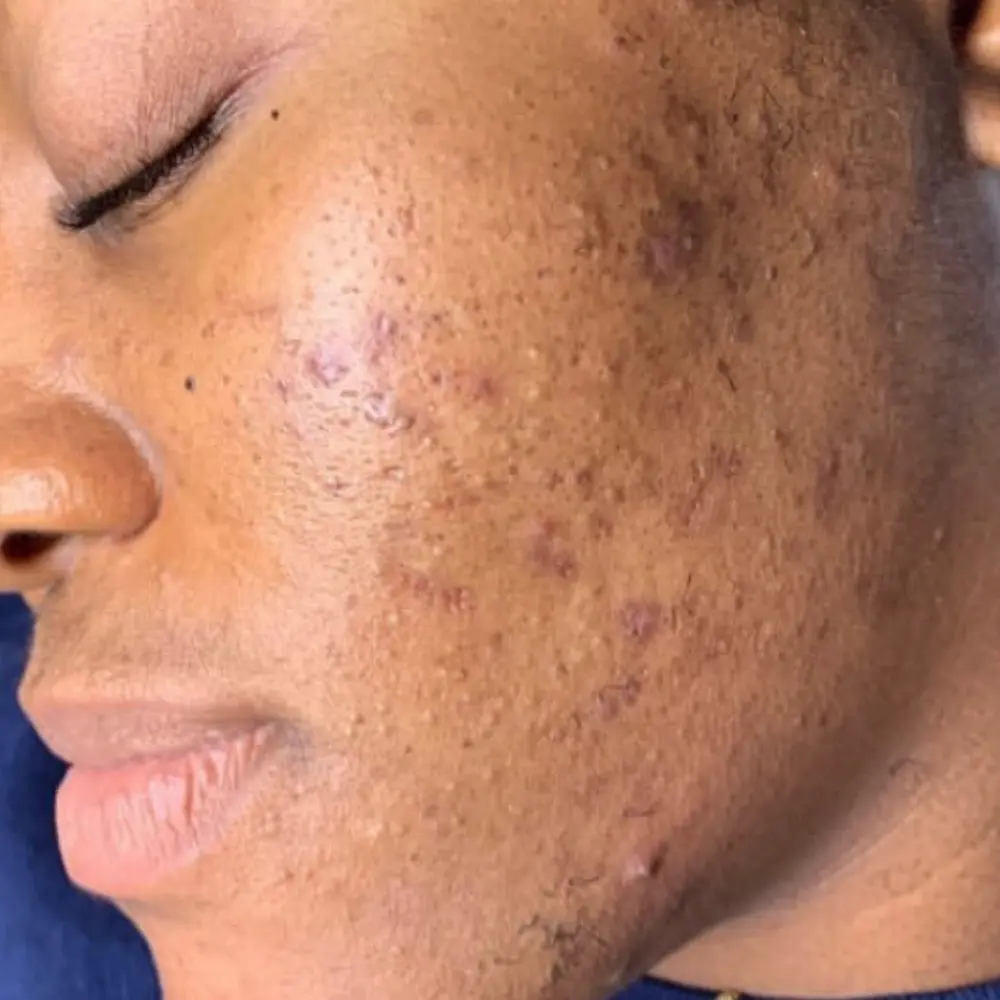
Before vitamin C enzyme facial at The Vancouver Aesthetician — visible acne and pigmentation on deep melanin-rich skin tone

BEFORE

After vitamin C enzyme facial at The Vancouver Aesthetician — acne visibly improved and pigmentation noticeably reduced on melanin-rich skin

after

Acne & Pigmentation

Progress at 6 sessions · 12 weeks in

why Enzymes

Benefits & Results

Barrier-Safe

Safe for sensitive and compromised skin, enzymes exfoliate without disrupting the barrier or triggering inflammation.

Pore Clarity

Targets the oil and debris that congest pores, reducing blackheads, breakouts, and dull, tired looking skin.

Brighter Tone

Lifts dulling surface cells and fades pigmented patches, restoring a luminous, even, healthier looking glow.

Prep + Absorb

A clear surface allows active ingredients applied after treatment to absorb more deeply and perform more effectively.

Relevant treatments

Where do we use Enzymes?

After tens of thousands of faces, we’ve mastered how to maximize the benefits of Enzymes.

●○○○ Level I

Acne Relief Facial

When breakouts feel hot, reactive, and hard to settle, this calming facial reduces visible inflammation, supports recovery, and helps your skin feel clearer, quieter, and back under control.

●○○○ Level I

Barrier Repair Facial

If your skin gets irritated by anything, this restorative facial rebuilds the barrier, strengthens resilience, and brings back the calm, steady feeling healthy skin is meant to have.

●○○○ Level I

Redness Soothing Facial

A rescue facial that visibly calms erythema, settles heat, and eases sensitivity. This cooling care helps your face feel peaceful, steady, and comfortable again while reducing redness.

●○○○ Level I

Vitamin C Radiance Facial

This brightening facial refreshes tone, softens hyperpigmentation, and helps your skin look clearer and more awake, especially if your complexion starts to look dull or uneven.

●●○○ Level II

Active Lipid Nourish

When skin looks tired, rough, or lacking glow, this replenishing treatment deeply infuses hydration, gently lifts away dull buildup, and restores the soft, healthy radiance that makes skin look alive again.

FAQ

Your questions, our answers

What are enzymes in skincare and how are they different from acids?

Enzymes are protein-based catalysts derived from natural sources like papaya (papain), pineapple (bromelain), and the body's own biology (trypsin). Unlike acids, which lower the skin's pH to dissolve dead cells chemically, enzymes work through a lock-and-key mechanism, identifying and breaking down specific proteins. This makes them highly targeted and far less likely to cause irritation, over-exfoliation, or barrier disruption.

What are enzymes in skincare and how are they different from acids?

Enzymes are protein-based catalysts derived from natural sources like papaya (papain), pineapple (bromelain), and the body's own biology (trypsin). Unlike acids, which lower the skin's pH to dissolve dead cells chemically, enzymes work through a lock-and-key mechanism, identifying and breaking down specific proteins. This makes them highly targeted and far less likely to cause irritation, over-exfoliation, or barrier disruption.

What is a bio-mimetic enzyme and why does it matter?

Bio-mimetic enzymes are engineered to replicate the function of enzymes naturally found in the human body. They are designed to interact with skin biology in a way that mirrors the skin's own processes, which means they can be more precise, more stable, and more compatible with a wider range of skin types. For sensitive, reactive, or compromised skin, bio-mimetic enzymes offer a way to achieve meaningful exfoliation without the risk of disruption.

What is a bio-mimetic enzyme and why does it matter?

Bio-mimetic enzymes are engineered to replicate the function of enzymes naturally found in the human body. They are designed to interact with skin biology in a way that mirrors the skin's own processes, which means they can be more precise, more stable, and more compatible with a wider range of skin types. For sensitive, reactive, or compromised skin, bio-mimetic enzymes offer a way to achieve meaningful exfoliation without the risk of disruption.

Is an enzyme facial suitable for sensitive or reactive skin?

Yes. Enzyme facials are among the most well-tolerated exfoliation options available in professional skincare. Because they work through proteolysis rather than acidic chemistry, they do not alter the skin's pH, which reduces the risk of redness, stinging, or barrier compromise. They are a strong choice for clients with rosacea-prone, sensitised, or reactive skin who want effective exfoliation without the risk of a flare.

Is an enzyme facial suitable for sensitive or reactive skin?

Yes. Enzyme facials are among the most well-tolerated exfoliation options available in professional skincare. Because they work through proteolysis rather than acidic chemistry, they do not alter the skin's pH, which reduces the risk of redness, stinging, or barrier compromise. They are a strong choice for clients with rosacea-prone, sensitised, or reactive skin who want effective exfoliation without the risk of a flare.

What skin concerns does an enzyme facial target?

Enzyme facials are particularly effective for clients dealing with congestion, blackheads, enlarged pores, uneven texture, dullness, dehydration, and early pigmentation. They also make an excellent preparation treatment before more intensive procedures, as they clear the surface so that active ingredients, laser, or microneedling can work more effectively on a clean, receptive skin barrier.

What skin concerns does an enzyme facial target?

Enzyme facials are particularly effective for clients dealing with congestion, blackheads, enlarged pores, uneven texture, dullness, dehydration, and early pigmentation. They also make an excellent preparation treatment before more intensive procedures, as they clear the surface so that active ingredients, laser, or microneedling can work more effectively on a clean, receptive skin barrier.

How does a professional enzyme treatment differ from at-home products?

Professional enzyme formulations are significantly more concentrated and stable than what is available over the counter. In a clinical setting, enzyme treatments can be customised in type, strength, and combination, and are often layered with complementary actives for a more targeted result. A trained aesthetician can assess which enzyme is most appropriate for your skin type and concern, and adjust the protocol based on how your skin responds in real time rather than applying a fixed formula designed for the average consumer.

How does a professional enzyme treatment differ from at-home products?

Professional enzyme formulations are significantly more concentrated and stable than what is available over the counter. In a clinical setting, enzyme treatments can be customised in type, strength, and combination, and are often layered with complementary actives for a more targeted result. A trained aesthetician can assess which enzyme is most appropriate for your skin type and concern, and adjust the protocol based on how your skin responds in real time rather than applying a fixed formula designed for the average consumer.

THE SCIENCE

Enzyme Facials

enzymes disolving keratin

Enzyme facials have earned a firm place in professional skincare because they deliver meaningful exfoliation without the disruption that stronger chemical options can cause. At The Vancouver Aesthetician, enzyme treatments are selected and customised based on your specific skin type and concern, not applied as a one-size-fits-all protocol.

The most widely used professional enzymes are papain, derived from papaya; bromelain, derived from pineapple; and trypsin, which mirrors enzymes found naturally in human biology. Each has a distinct profile. Papain is highly effective for clearing surface debris and congestion. Bromelain brings anti-inflammatory properties alongside its exfoliating action. Trypsin is particularly well-suited to sensitised or compromised skin due to its bio-compatibility with skin tissue.

Together, these enzymes form the foundation of treatments that refine texture, clear pores, and support a brighter, more even-toned complexion without aggressive chemistry or the risk of barrier disruption.

Bio-Mimetic Enzymes

Bio-mimetic enzymes represent a newer generation of enzyme technology in professional skincare. Unlike traditional plant-derived enzymes, they are engineered to replicate the function of enzymes the human body produces naturally, allowing for a more targeted and predictable interaction with skin tissue.

For clients with sensitive, reactive, or compromised skin, this matters. Bio-mimetic enzymes are more stable across different pH and temperature conditions, making their performance more consistent in a clinical setting. They also reduce the variability that can come with natural plant extracts, which respond differently depending on formulation and individual skin condition.

At The Vancouver Aesthetician, the choice between papain, bromelain, trypsin, and bio-mimetic alternatives is guided by your skin's current condition and treatment goals. The result is enzyme exfoliation that is precise, personalised, and built for real performance.
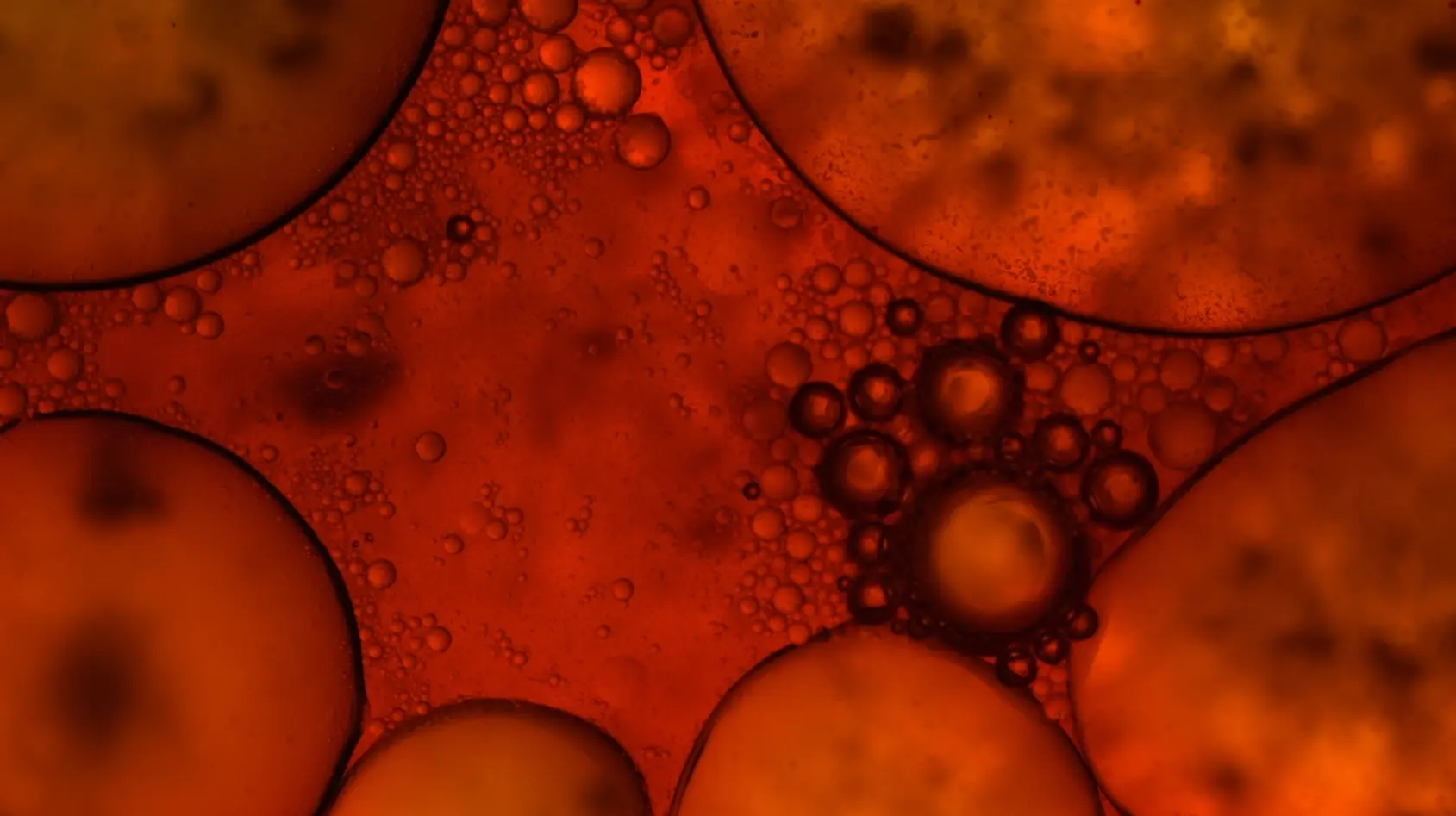
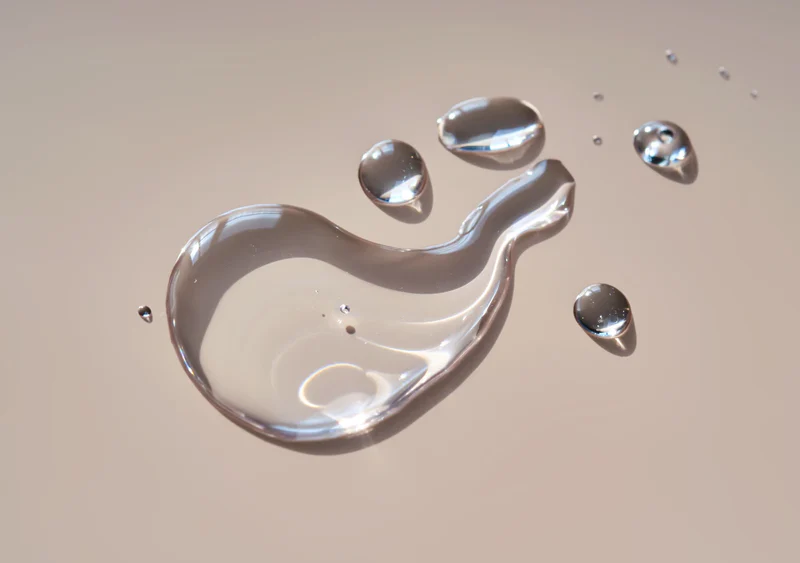
enzymes mixing in skincare