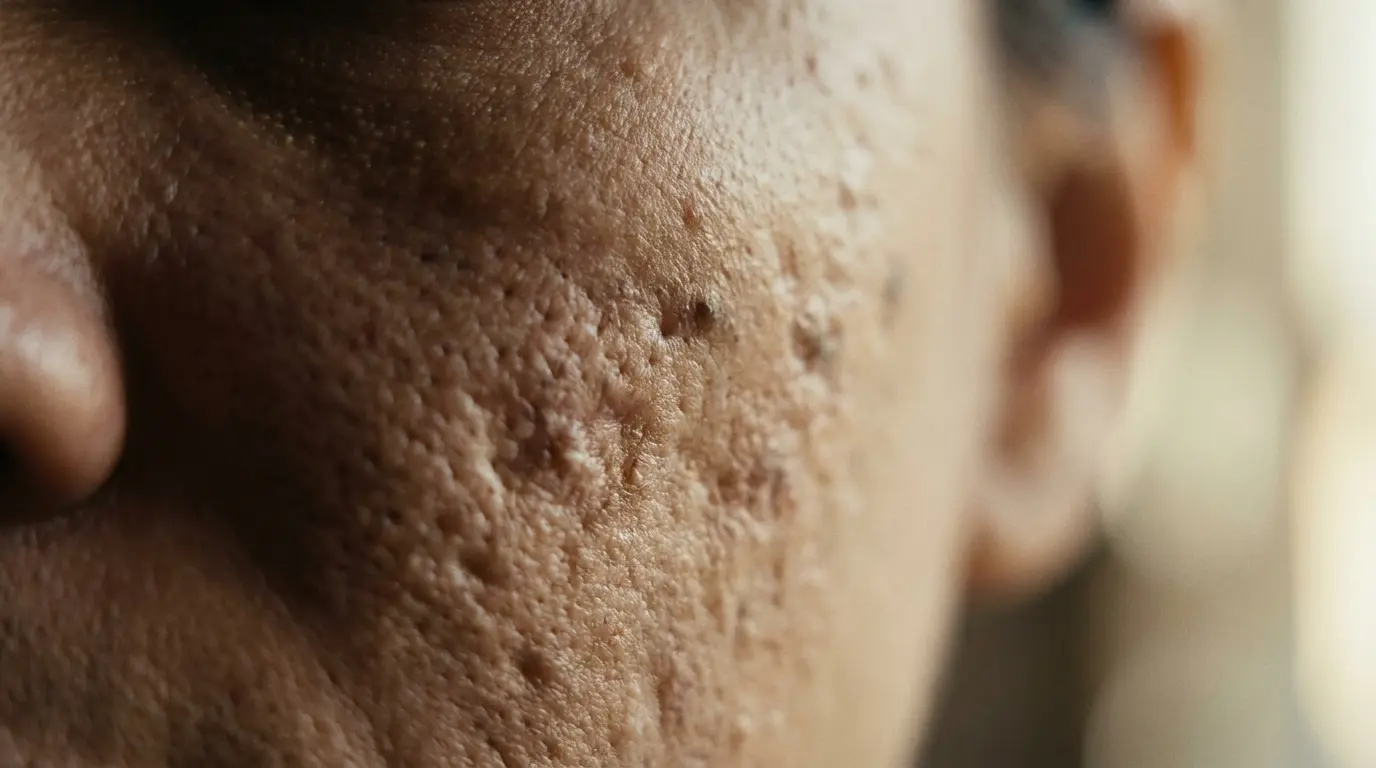
You run your fingertips over your cheek in the mirror. Tiny bumps near the jaw. A grainy patch that catches the light wrong. Pores that look like they widened overnight.
You have tried the acids. The viral serums. The ten-step routine everyone swore by. And your skin still feels like fine sandpaper under bad lighting.
Here is the thing. Bumpy, uneven texture is almost never a product problem. It is a depth problem. And the wrong treatment, run at the wrong calibration, can leave you worse off than when you walked in.
We have studied thousands of faces in this city. Vancouver. This is the short read that saves you from guessing. Let's get right into it.
What "Grainy" Skin Texture Actually Is
Texture is the thing you feel before you ever see it. Smooth skin reflects light evenly. Rough skin scatters it, which is why a grainy cheek looks dull even when it is technically clean.
So what is actually going on under your fingertips? Usually a stack of small problems, not one big one.
Dead-cell buildup. Your skin sheds and renews on a cycle. When that cycle slows, dead cells pile up and trap a sandpaper film on the surface.
Dehydration. Thirsty skin shrivels slightly at the cellular level, exaggerating every bump and line. Plump cells sit flush. Deflated ones do not.
Congestion. Oil and debris harden inside the pore and create those stubborn little under-the-skin bumps that no cleanser seems to touch.
Acne aftermath. Breakouts leave behind raised marks, indents, and discolouration long after the spot is gone.
Sun damage. Years of UV quietly break down the scaffolding that keeps skin tight and even.
The Buildup You Can Feel
Start with the surface, because this is the fastest win. A single pass of a surgical blade in expert hands, known as dermaplaning, lifts off that dead layer and the soft fuzz that grips it. The result is instant. Light hits the skin and bounces back instead of scattering.
For deeper grain, fruit-enzyme exfoliation goes to work without scrubbing. Enzymes digest the protein glue holding dead cells together, so your skin lets them go on its own. Gentle, but precise. And because dehydration fakes a lot of "texture," the right deep-hydration layer can soften the look of bumps in a single session by simply plumping what was flat.
When Acne And Sun Leave A Mark
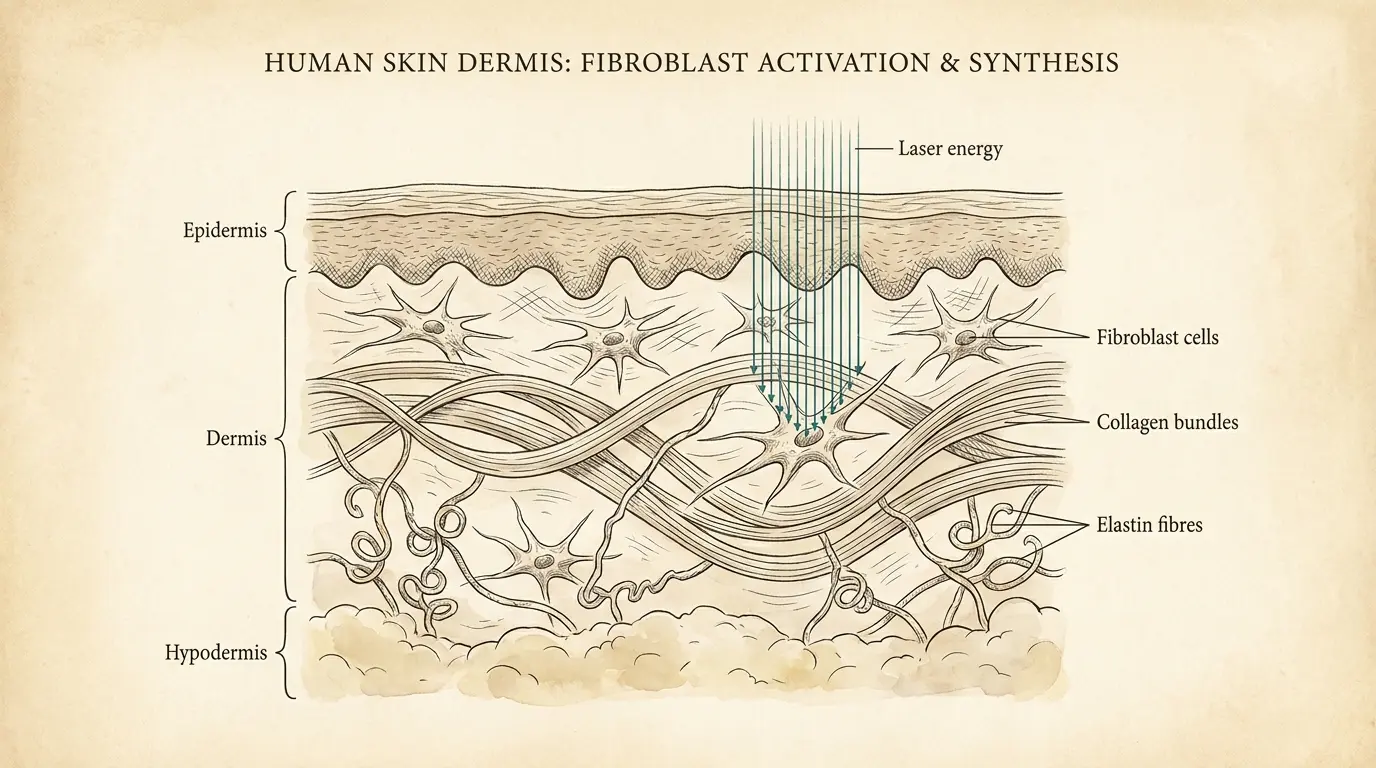
Now it gets more involved. If your texture traces back to active acne or sun damage, surface work alone will not cut it. The problem lives deeper, in the dermis, where collagen either collapsed or healed messily.
This is also where pigment sneaks in. Sun and inflammation trigger melanin to flood the area, so you end up fighting bumps and brown patches at once. A real plan pairs resurfacing with antioxidant defence to slow new damage and pigment-calming brighteners to even the tone you already have.
Are Acne Scars Just Scars?
Short answer: yes, and that is good news.
People treat acne scars like a mysterious, separate category. They are not. An atrophic acne scar, the kind that dents inward, forms through the exact same wound-healing biology as a surgical scar or a burn scar. The skin tries to repair a deep injury, lays down collagen unevenly, and the surface caves or raises as a result.
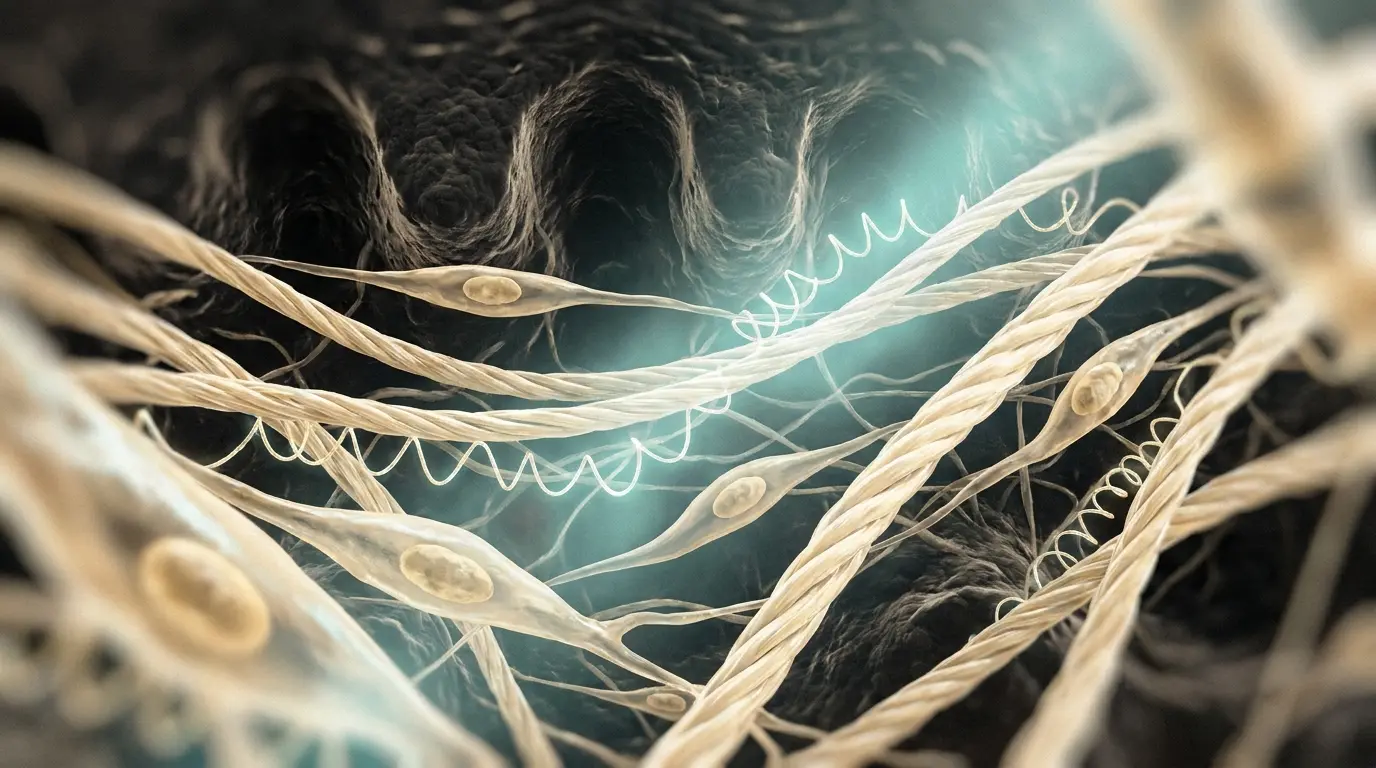
Why does that matter to you? Because the treatments that rebuild a surgical scar are the same ones that rebuild an acne scar. The published literature on percutaneous collagen induction shows it improving post-burn hypertrophic scars and surgical scars, not just acne. One biology. One toolkit.
So if you have been told your acne scarring is permanent and untouchable, that was a sales line, not science. It responds. It just needs the right depth and the right number of passes.
The Treatments That Actually Smooth Texture
Here is where most articles hand you a single hero treatment and call it a day. We are going to do the opposite. Because the honest answer to "what works best" is that the best results come from combining modalities, not crowning one.
Let's break down the three that matter most for texture.
Microneedling, Or Collagen Induction Therapy
This is the workhorse. Collagen induction therapy uses fine needles to create thousands of microscopic channels in the skin. Each tiny channel is a controlled signal that tells your body to do one thing: heal and rebuild.
And rebuild it does. Real collagen. Real elastin. The structural fibres that pull a dented scar back up to the surface and tighten an enlarged pore from the inside.
The numbers are strong. In a clinical review of the technique, patients reported a 51 to 60 percent improvement in scar appearance and a 40 to 50 percent improvement in skin texture after six sessions across three months, with 80 to 85 percent overall satisfaction. That is not a glow that washes off in the shower. That is your own tissue, remodelled.
Can it fix bumpy skin permanently? Here is the honest version. It creates real, lasting structural change, so the results hold far longer than any cream. But your skin keeps living and aging, which is why a smart program adds light maintenance and pairs the needling with regenerative messengers and growth-factor support to speed healing and stretch every result further.
Chemical Peels And Glycolic Acid
A peel is chemistry doing what scrubbing cannot. A properly built chemical peel dissolves the bonds between dead, dull cells so the whole top layer releases at once, revealing smoother skin underneath. Glycolic acid, usually run somewhere between 30 and 70 percent, is the classic choice for grainy, congested, lacklustre texture.
Peels shine at tone and clarity. They lift surface roughness, fade early discolouration, and leave skin reflecting light like glass. The catch is depth, and depth is exactly where cheap clinics get people hurt. More on that in a minute.
Laser For Pores And Tone
Now for the one people misunderstand most. You do not need to burn your face off to resurface it.
We use a non-ablative laser that heats the dermis without wounding the surface above it. No raw skin. No two weeks of hiding indoors. The heat triggers collagen and elastin to reorganize, which is why near-infrared laser treatment has been objectively shown to improve dilated pores, skin texture, and fine wrinkles by stimulating those very fibres. Because this wavelength targets pigment far less aggressively than older devices, it stays gentle across a wide range of skin tones. That is a feature with a real-life payoff: you get smoother pores and calmer redness without gambling your skin colour to get there.
So Which One Is Better?
The question itself is the trap. Microneedling rebuilds depth. Peels refine the surface. Laser tightens pores and tone. They solve different layers of the same problem.
The research even agrees. When microneedling was paired with a glycolic peel for textured, scarred skin, the combination beat needling alone, with a statistically significant edge in texture, scarring, and pigment reduction. Layering wins. Isolation leaves results on the table.
Why A Cheap $99 Facial Will Backfire
Here is the part nobody wants to say out loud. A bargain treatment can make your texture worse, sometimes for months.
Picture this. Priya books a discount peel from a flash deal because the photos looked great. The technician runs a one-size strength across her whole face, no priming, no test patch, no read of her skin tone. For a week it looks fine. Then the cheeks darken. Not a glow. Blotchy brown patches that take six months and a lot of money to undo.
That is post-inflammatory hyperpigmentation, and it is the single most common way aggressive treatments backfire. The mechanism is simple. Injure the skin too hard, and melanin floods in to protect it. The deeper your natural skin tone sits on the Fitzpatrick scale, the higher that risk climbs.
This is not fearmongering. It is documented. The dermatology literature is blunt that deep peels cannot be safely used on darker skin types and even medium-depth peels demand extreme caution, because the wrong call invites prolonged hyperpigmentation, and in the worst cases scarring or permanent loss of colour. Calibration is not a luxury. It is the whole game.
So what separates a clinical setting from a glorified deal? Watch for these red flags before you ever sit in the chair.
No skin assessment. If nobody studies your skin tone, history, and concerns first, walk out.
One strength for everyone. Real protocols are dialed in per face, never copy-pasted.
No priming or aftercare plan. Prepping and calming the skin is half the safety.
No progress tracking. Without records, nobody can adjust as your skin changes.
Pressure to buy a package on the spot. Confidence sells itself. Pressure hides something.
When discolouration does happen, fixing it means slowing the inflammation and coaxing the pigment back down with soothers and targeted work on the stubborn discolouration itself. It is fixable. It is also completely avoidable with the right hands.
The Power Of Layering
This is the philosophy that changes everything. Your skin is not one problem, so it should never get one treatment.
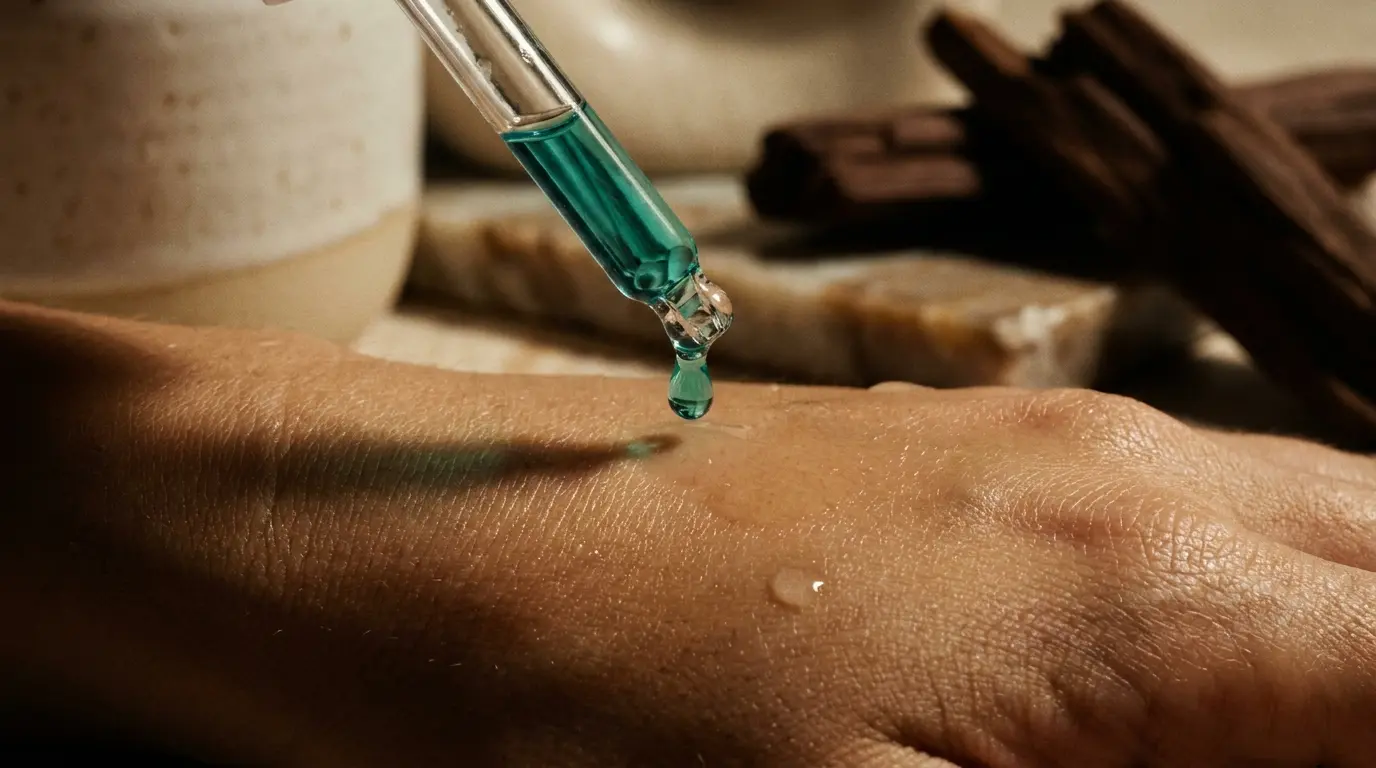
In a single session, the surface gets cleared, the dermis gets stimulated, pores get tightened, pigment gets calmed, and the skin gets flooded with what it needs to heal. A resurfacing step here. A round of LED light to settle inflammation there. Lymphatic drainage to de-puff and carry away the debris. Peptides to keep collagen building between visits.
And it does not stay the same. Your program gets read and adjusted every time you come in, because skin that was congested in spring is rarely the same skin in winter. That continuous tuning, guided by progress tracking, is how texture results actually last instead of bouncing back.
If your skin has been stuck on a plateau, this is the moment to stop layering more products and start layering the right treatments. A single consultation will tell you exactly which depth your texture is hiding at, and what it will take to smooth it for good.
The Quick Recap
Grainy, bumpy texture is a depth problem, not a product failure. The surface needs clearing, the dermis needs rebuilding, and pigment needs calming, often all at once. Microneedling rebuilds, peels refine, and gentle laser tightens, and the magic is in combining them rather than betting on one. Above all, calibration is everything, because the cheap version of these treatments is exactly how people end up with hyperpigmentation that takes half a year to undo.
We hope this saved you a little time and a lot of trial and error. We spent days digging through the research, fact-checking the claims, and condensing it into something you can actually use. If it helped, sharing it with a friend who keeps fighting their texture would mean the world to us.